At two o’clock in the morning, you open the mobile phone browser on the subway and continue to play the games that you didn’t clear on the computer in the afternoon. When the controller vibrated, the train just drove into the tunnel, and the game screen was not stuck. This seemingly ordinary moment is quietly foreshadowing the appearance of the game world in 2026.
The deep integration of HTML5 and cloud games is creating an amazing experience. Imagine that one afternoon, you receive a game link from a friend, and click it directly into an open world that runs completely in the browser. The water here reflects real-time light and shadow, and the forests in the distance sway in the wind, and all of these do not require you to install any applications. It’s as simple as opening a web page, but what you get is close to the visual enjoyment of the host.
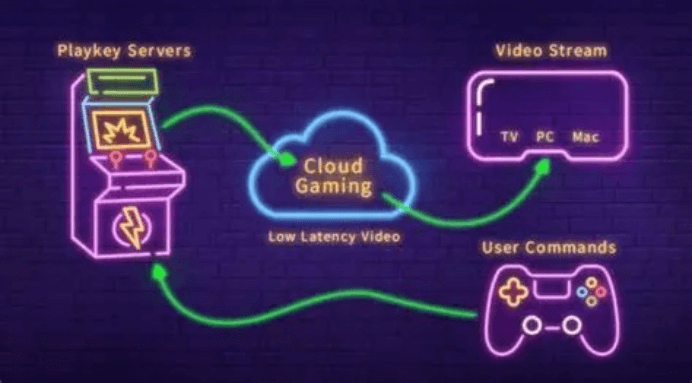
The game loading process will be completely changed in the future. One morning in 2026, when you click on the game icon, there is no longer a progress bar waiting, but directly back to last night’s archive point. This is thanks to the combination of cloud games and edge computing, and the game status is synchronized to the server closest to you in real time. An engineer described it, “Just like your game progress becomes a wave in the air, no matter what equipment you use, you can immediately connect to yesterday’s adventure.”
What is more exciting is the innovation of creative methods. Developer Lin Wei showed his new project in the coffee shop: directly debugging a virtual space that supports hundreds of people online at the same time in the browser. “The most amazing thing is,” he pointed to the code and said, “We can update the content in real time when users play, just like replacing the engine of a flying plane.”
The integration of artificial intelligence will completely change game development. A small team used AI tools to complete a project that would have required three years of development within three months. AI can not only generate maps and write basic code, but also help optimize performance. It’s like equipping each creator with a tireless assistant, so that the ideas full of imagination are easier to implement.
The cross-platform experience will become seamless. In the game world of 2026, the word “platform” may gradually fade out of people’s sight. You can experience the light chasing effect with your mobile phone at breakfast, continue the task on the office computer during lunch break, and explore different dimensions of the same world with VR equipment at home at night. All these experiences share the same archive, just like enjoying the same scenery in different windows.
Instant social networking will become the core experience of the game. When you cross a virtual forest, you may meet other players who are playing in the browser. You can team up in real time to solve puzzles together, and these interactions do not require any friend application or loading interface. It’s like meeting a fellow in the park in the real world, and naturally starting an improvised adventure.
However, these changes also bring about new thinking. When games become readily available like streaming music, will we lose those carefully planned “game moments”? When any device can become a game terminal, does the exclusive game space still have meaning? Just as digital books have not replaced the temperature of paper books, the future game experience also needs to find a balance between convenience and immersion.
The game of the future may be more like a never-ending digital journey. We are both tourists and creators. We shuttle freely between different devices and switch between virtual and real at will. The technical barriers that once prevented us from swimming are becoming the door to a new world.
The next time you open a game in the browser, you might as well imagine: what kind of surprising future is behind this simple tab? Are you ready for the tomorrow when you can open the browser and enter any world?
What will the game world look like in 2026 in your imagination? Is it a freer creative way, a more seamless cross-device experience, or other surprises we haven’t found yet? Welcome to share your prediction in the comment section. Maybe one day in the future, we will find that today’s imagination has already become a reality.